Modern construction technologies have transformed the need for shelter from a mere structure into an engineering marvel. Prefabricated structures, one of the key drivers of this transformation, derive their value from the quality of the components used. The fundamental factor directly determining a building’s lifespan, insulation performance, and seismic safety is the selection of prefabricated home materials and the compatibility of these materials with one another. Compared to traditional reinforced concrete structures, these components—manufactured in a factory setting and assembled on-site—provide flawless structural integrity. For investors, the most critical process is to accurately analyze the technical details and material quality underlying the aesthetic appearance.
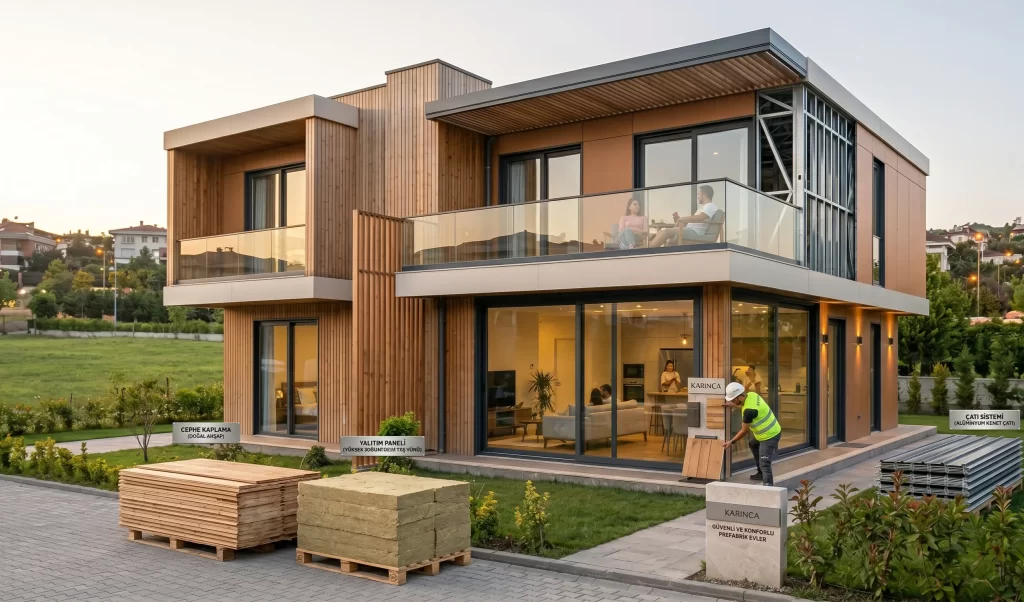
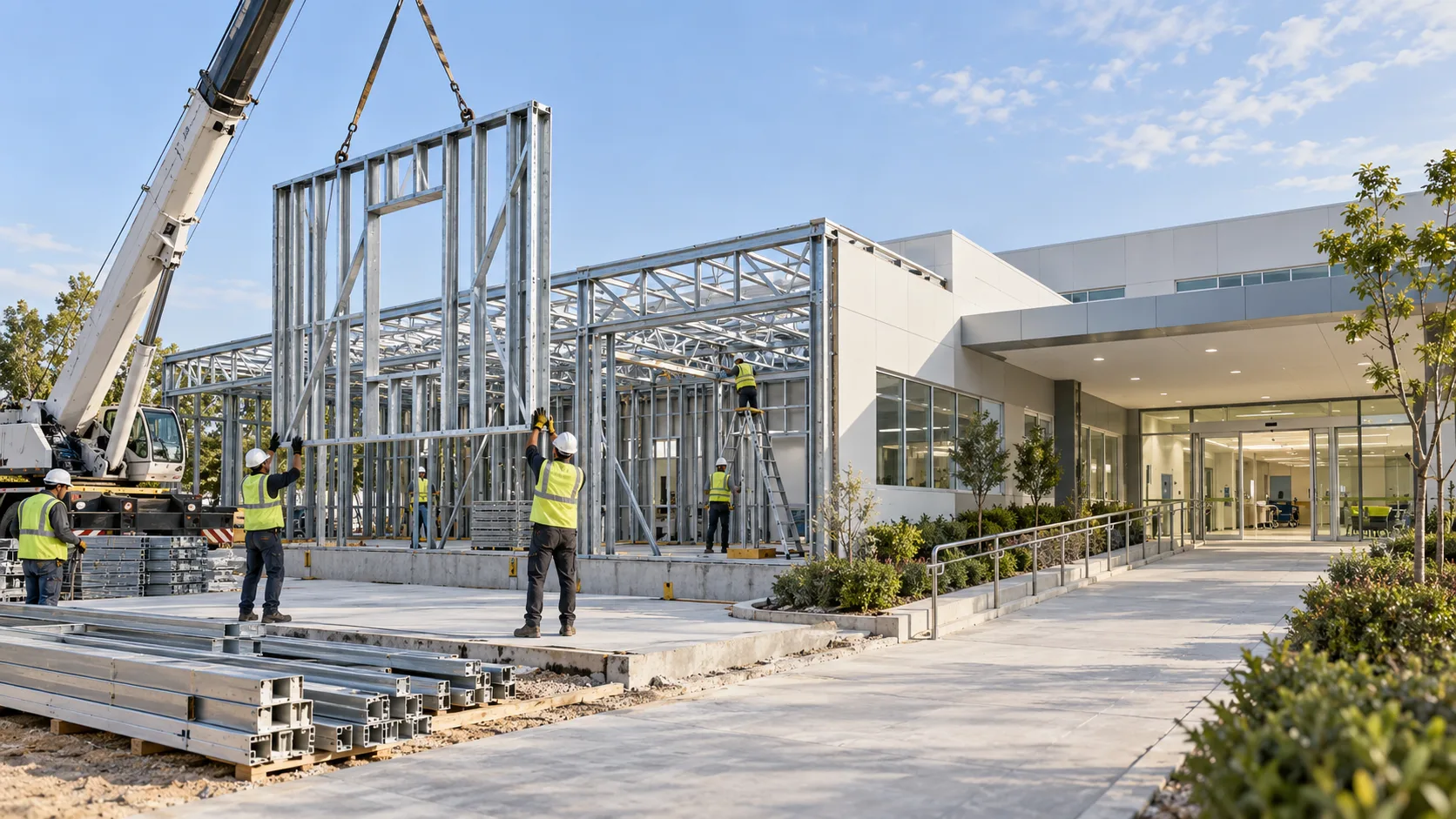
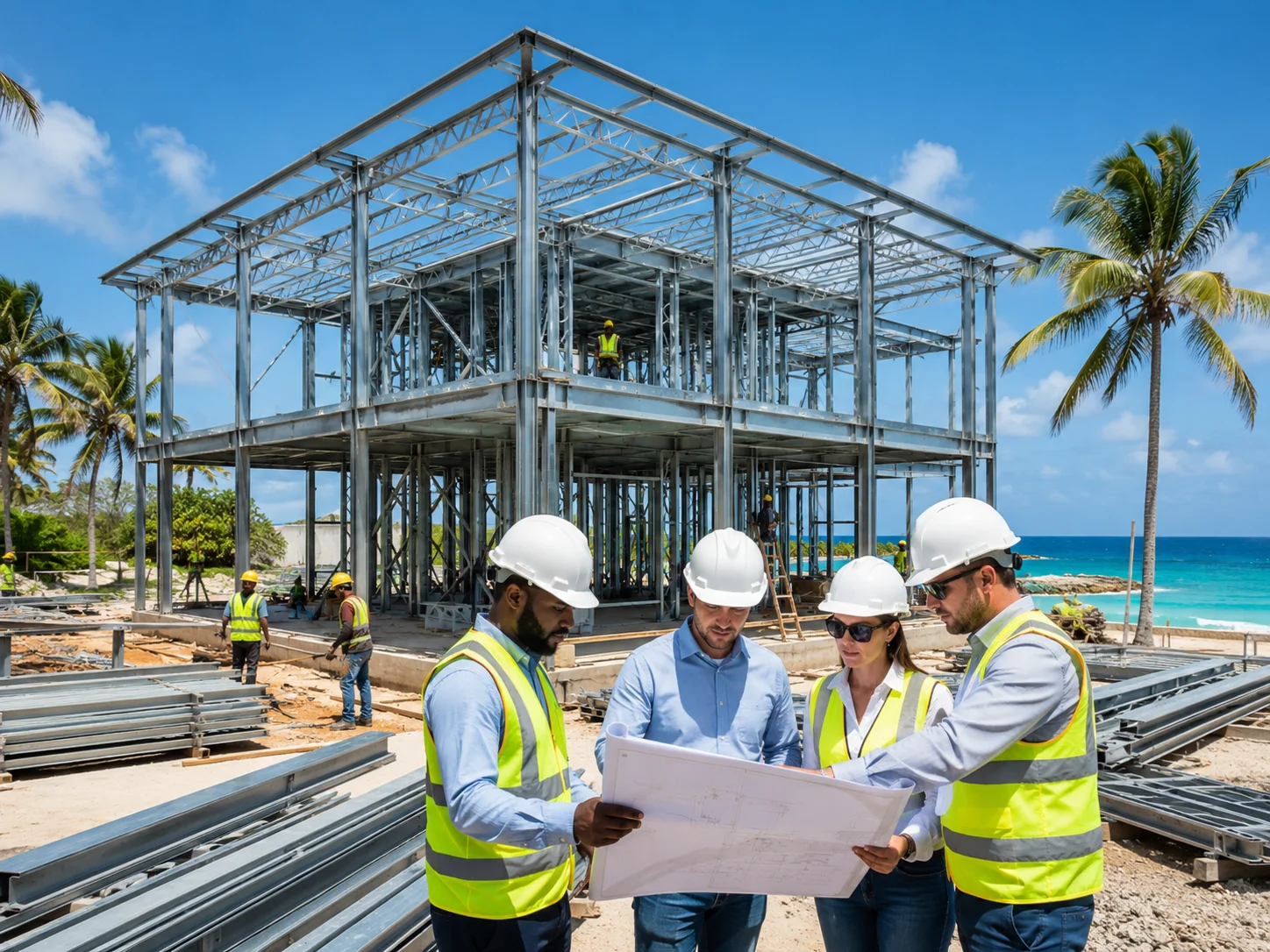
Building Blocks: Prefabricated Home Materials and Steel Frames
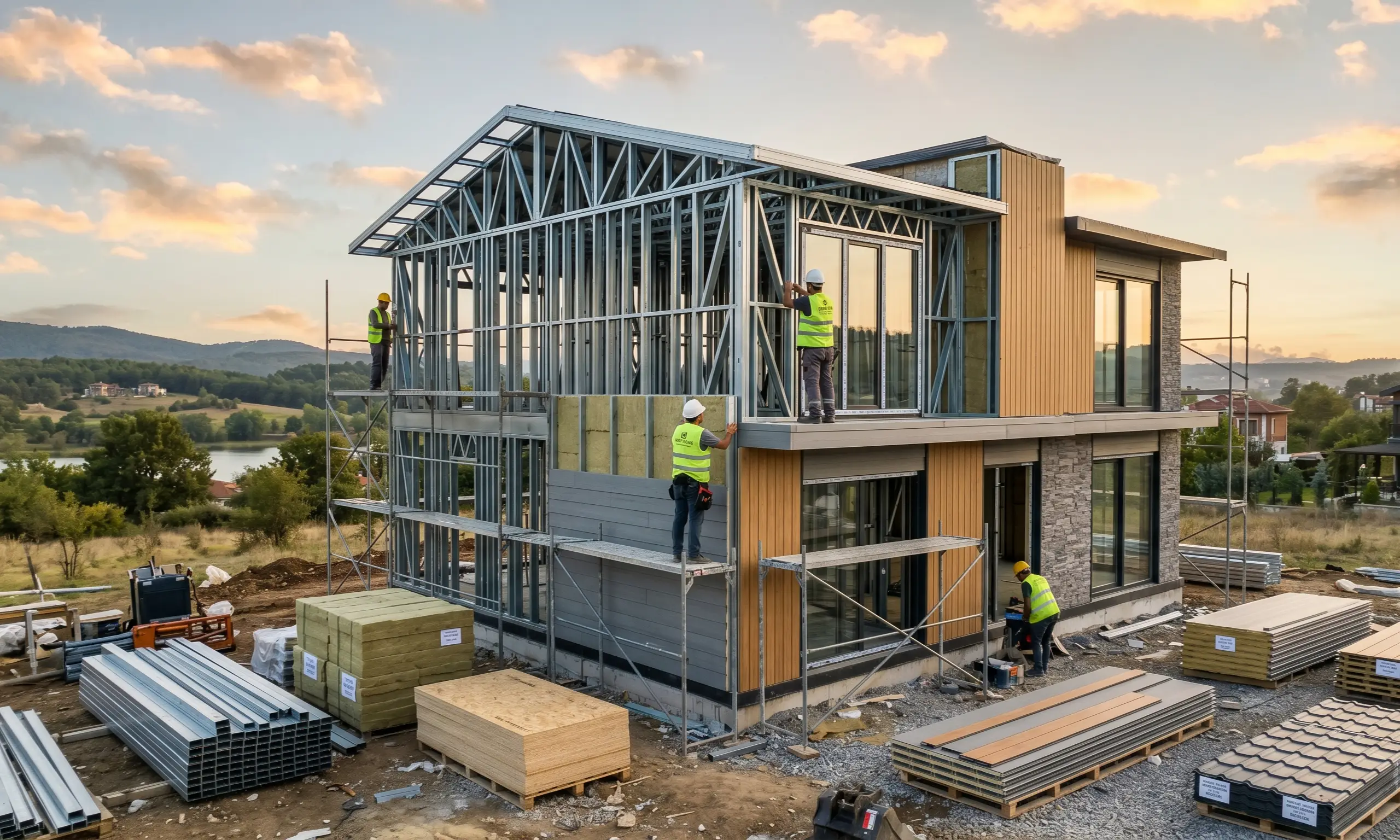
In addition to the structural system, wall panels also play a critical role among prefabricated home materials. Commonly referred to as “sandwich panels,” these systems consist of high-density insulation materials sandwiched between two layers of cement-based panels (Betopan). These panels both support the structural system and form the building’s exterior envelope. The right material selection supports the building’s structural integrity while also ensuring ease of installation, thereby minimizing labor errors.
In addition to the structural system, wall panels also play a critical role among prefabricated house materials . Commonly referred to as “sandwich panels”, these systems consist of high-density insulation materials placed between two layers of cement-based board (betopan). These panels both support the load-bearing system and form the outer shell of the building. The right choice of materials supports the building’s structural stability while also making assembly easier and minimizing workmanship errors.
Insulation and Comfort: Why Are Prefabricated Home Materials Important?
The most significant factors determining the quality of life in a prefabricated home are thermal and sound insulation. The rock wool or EPS (expanded polystyrene) foam used within the walls are the key components that ensure energy efficiency among prefabricated home materials. The use of high-density stone wool not only keeps the structure warm in winter and cool in summer but also elevates the building’s fire resistance to the highest class. Properly insulating thermal bridges significantly reduces long-term operating costs (heating and cooling bills).
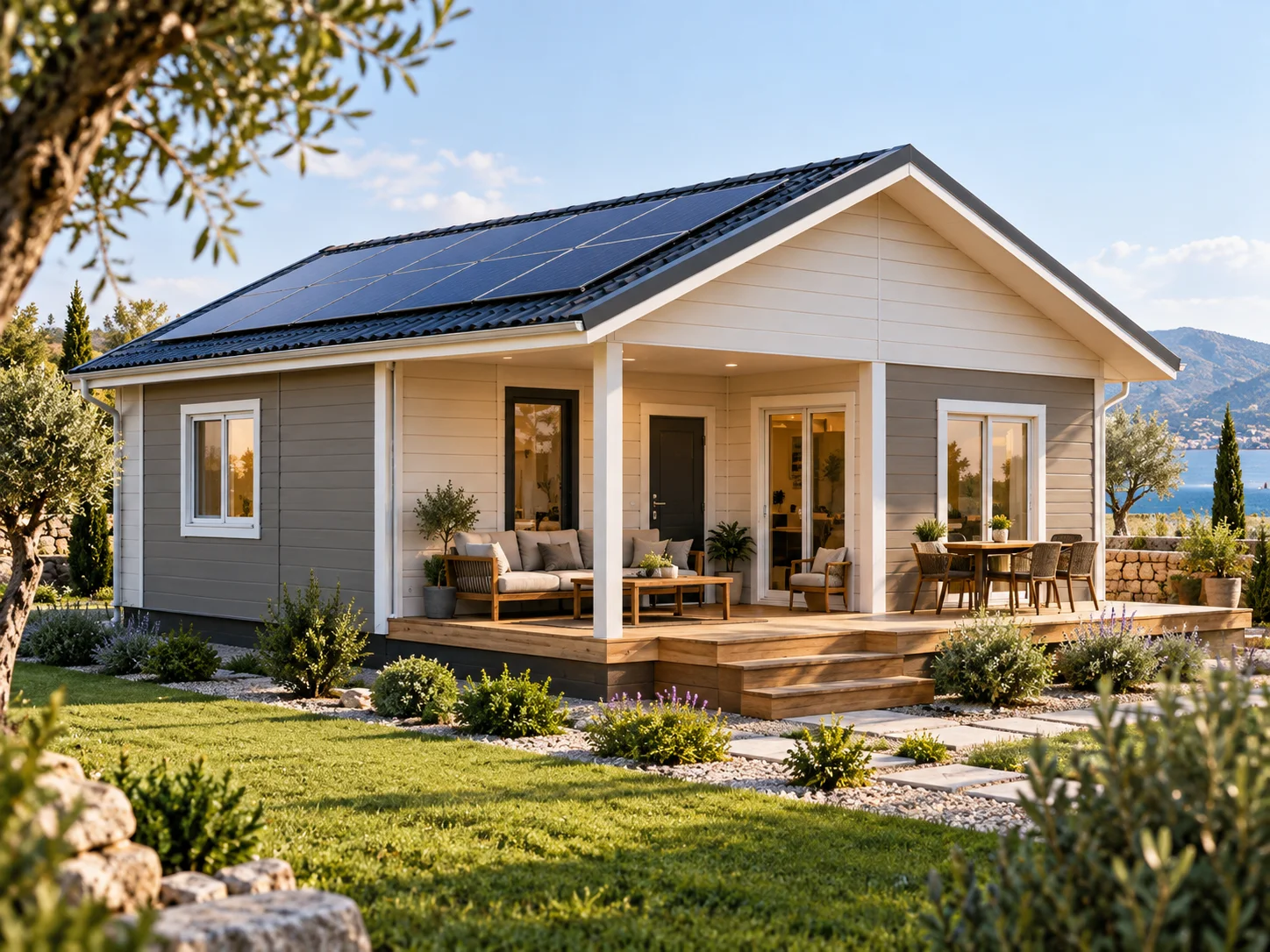
The prefabricated home materials used in the roofing system are also a crucial link in the insulation chain that must not be broken. OSB panels, vapor barriers, and the metal tile or shingle coverings applied over them protect the structure from external factors. The glass wool blankets used in the roof cavity enhance ceiling insulation and improve comfort. Each of these materials must work in sync as part of a whole, just as they do in Karınca projects. Properly selected insulation layers make prefabricated homes far more efficient structures than reinforced concrete buildings.
Exterior Aesthetics and Protective Prefabricated Home Materials
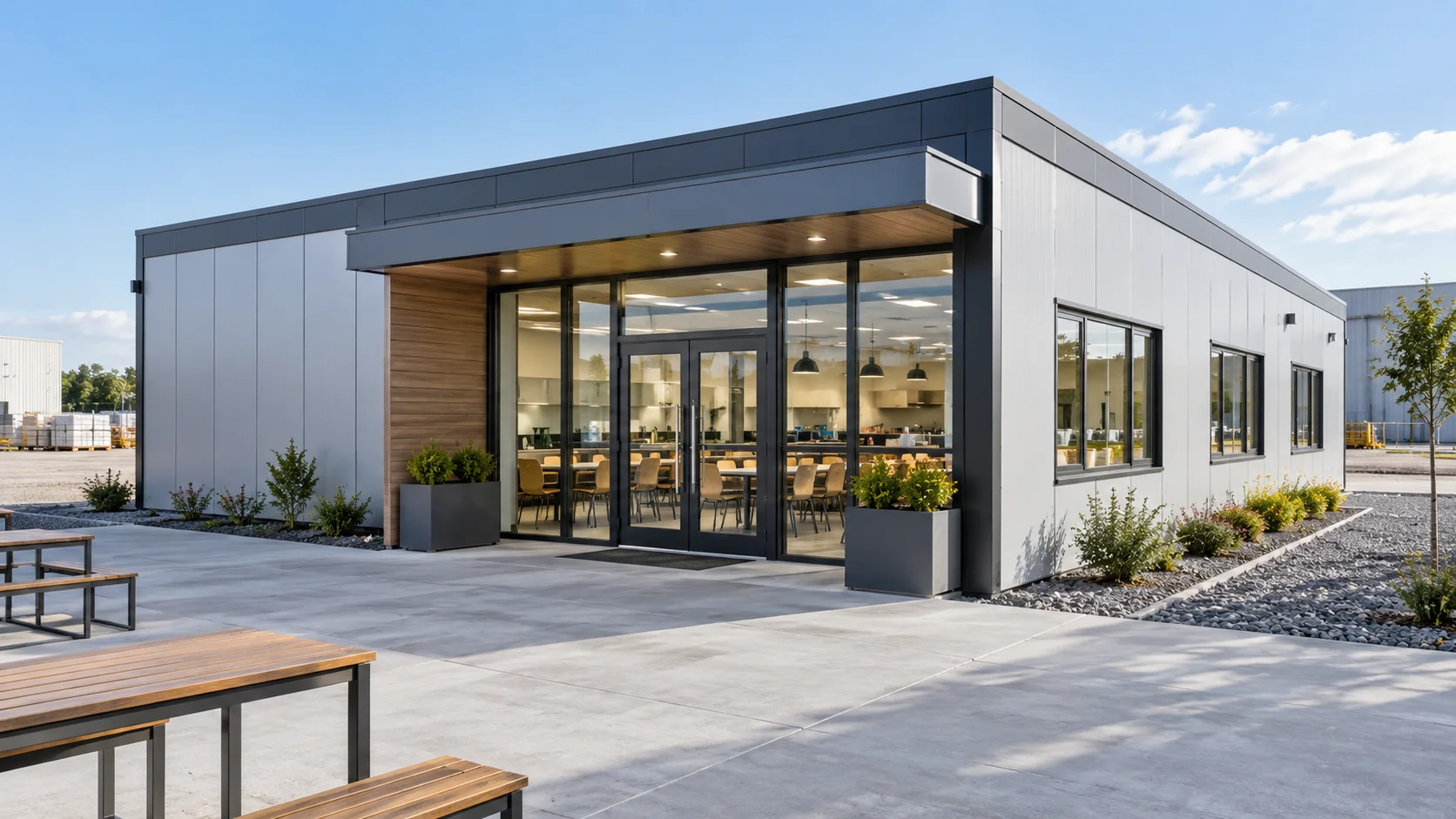
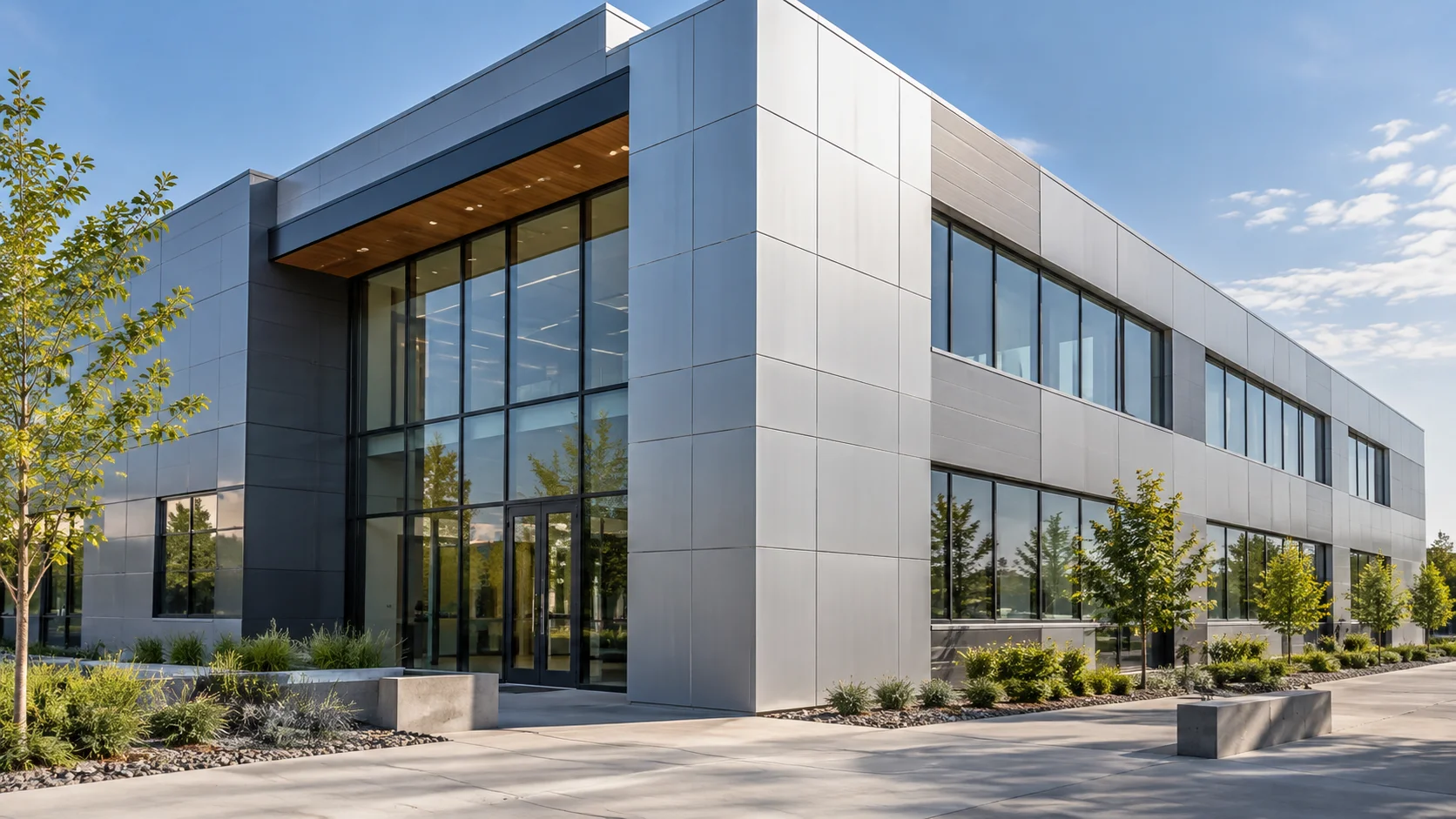
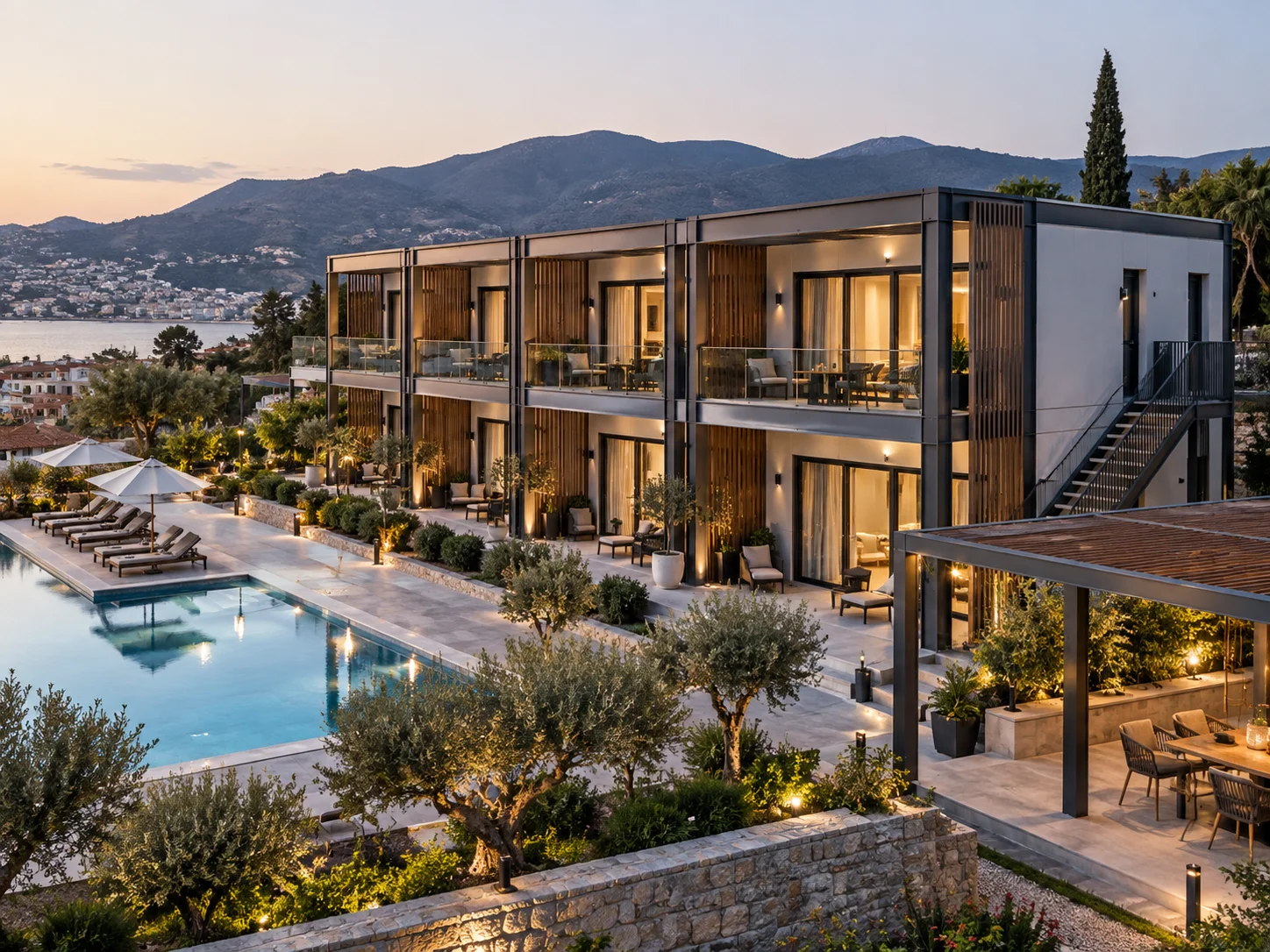
Modern prefabricated buildings are no longer limited to just white panels. The cladding materials used on the exterior not only extend the building’s lifespan but also enhance its prestige. Fiber cement (Betopan) panels, natural stone-patterned cladding, or wood-look siding are among the most popular prefabricated home materials today. These cladding materials act as a protective shield, safeguarding the primary structural system from external factors such as rain, snow, and UV rays.
The prefabricated home materials selected during exterior design determine the building’s character. For customers who are “brand-conscious” or prestige-oriented, the quality of these cladding materials is the key factor in determining whether the project will be positioned in the luxury segment. Water- and moisture-resistant exterior panels offer long-lasting, low-maintenance performance. Additionally, the PVC window systems and double-pane glass applications used in the windows complete the insulation integrity of the exterior, maximizing energy efficiency.
Interior Design Solutions and Plumbing Details
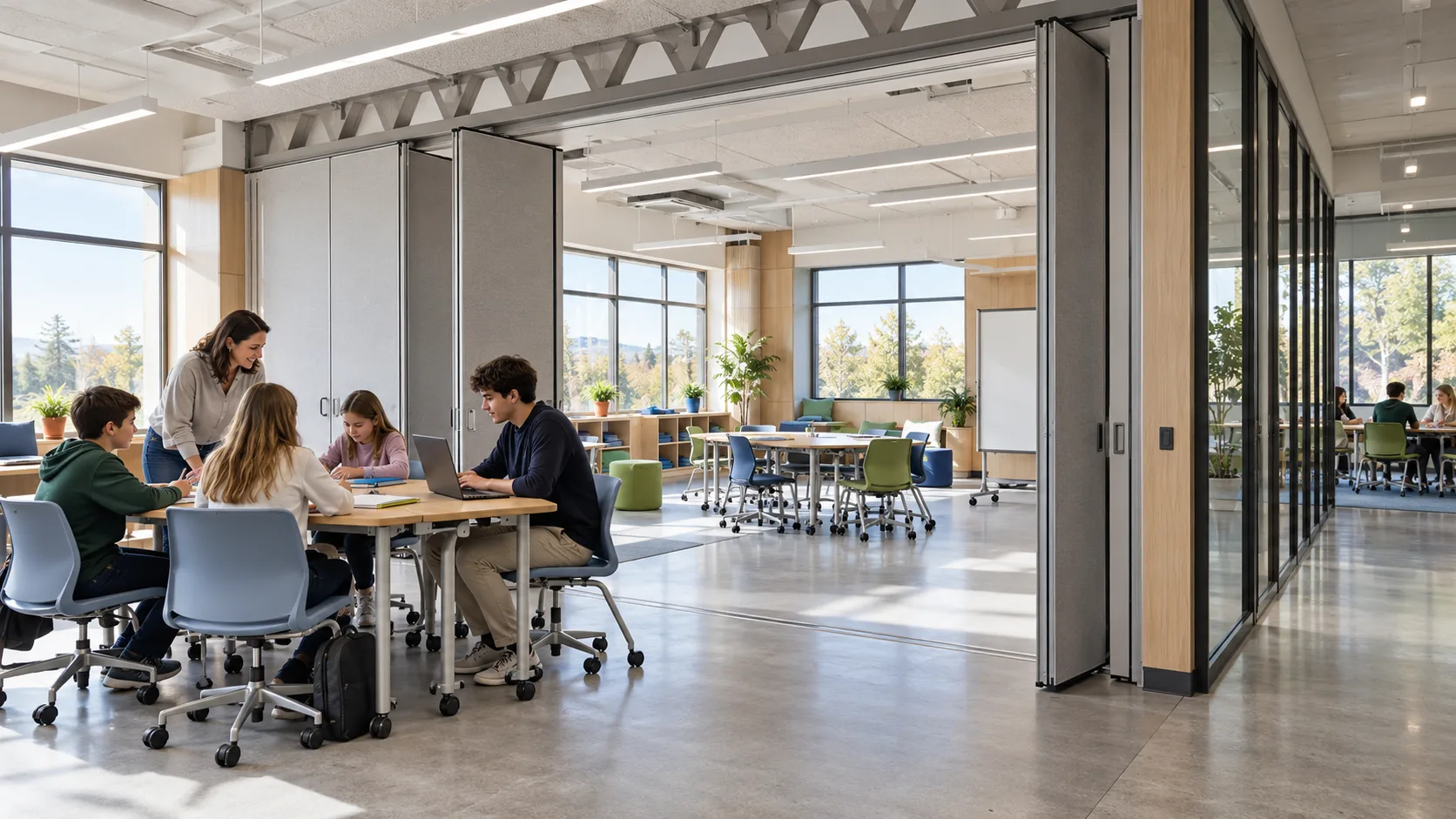
When moving to the interior of the home, the prefabricated home materials used should combine aesthetics and functionality. The drywall panels used on interior walls ensure a smooth finish. Any type of paint, wallpaper, or decorative panel can be applied to the smooth surface provided by the drywall. Laminate flooring or ceramic tile solutions used on the floors elevate the interior comfort of the prefabricated structure to the level of a luxury apartment.
Prefabricated home materials used in electrical and plumbing systems are typically designed to run through the interior of wall panels. This concealed wiring method should be planned to create aesthetic perfection in the interior while ensuring ease of access for repairs in the event of potential malfunctions. Halogen-free (non-flammable) cables and leak-proof pipe systems are invisible details that reinforce the safety of the prefabricated home. High-quality plumbing components ensure trouble-free operation throughout the structure’s lifespan.
Durability and Long-Term Use Strategy
How long a prefabricated home will last depends entirely on the quality of the prefabricated home materials. Galvanized steel offers over 50 years of resistance to rust. Even the bolts and nuts used at the joints are made of high-strength steel, which enhances the structural integrity of the building. This technology offers a much more durable and stable alternative to reinforced concrete, which cracks over time and is susceptible to corrosion.
Additionally, when selecting prefabricated home materials, you should also verify the materials’ certifications. Products that meet TSE standards and hold international quality certifications ensure that the structure retains its value as an investment. Every small detail, from roof screws to panel adhesives, affects the structure’s waterproofing and wind resistance performance. At Karınca, we build trust by combining top-tier materials in every project.
Building the Future with Quality Materials
The peace of mind a home provides lies in its structural integrity, and that integrity is rooted in the quality of the prefabricated home materials used. Produced using the latest technological advancements, these modern structures combine speed, cost-effectiveness, and aesthetic appeal. Light-gauge steel and prefabricated systems, which offer advantages in every area from earthquake safety to energy efficiency, become lifelong living spaces when combined with the right components.
If you want to build your dream home, you should focus not only on the aesthetics but also on the engineering behind the walls and the variety of prefabricated home materials used. A home equipped with high-quality insulation, a durable steel frame, and modern exterior solutions will provide you and your family with a comfortable future. To learn more about the advanced technology products and material standards we use in our projects, visit our Karınca website and consult with our expert technical team. Remember, every structure built with the right materials means a safe tomorrow. Make a difference with the prefabricated home materials you choose and embrace the future of housing today.