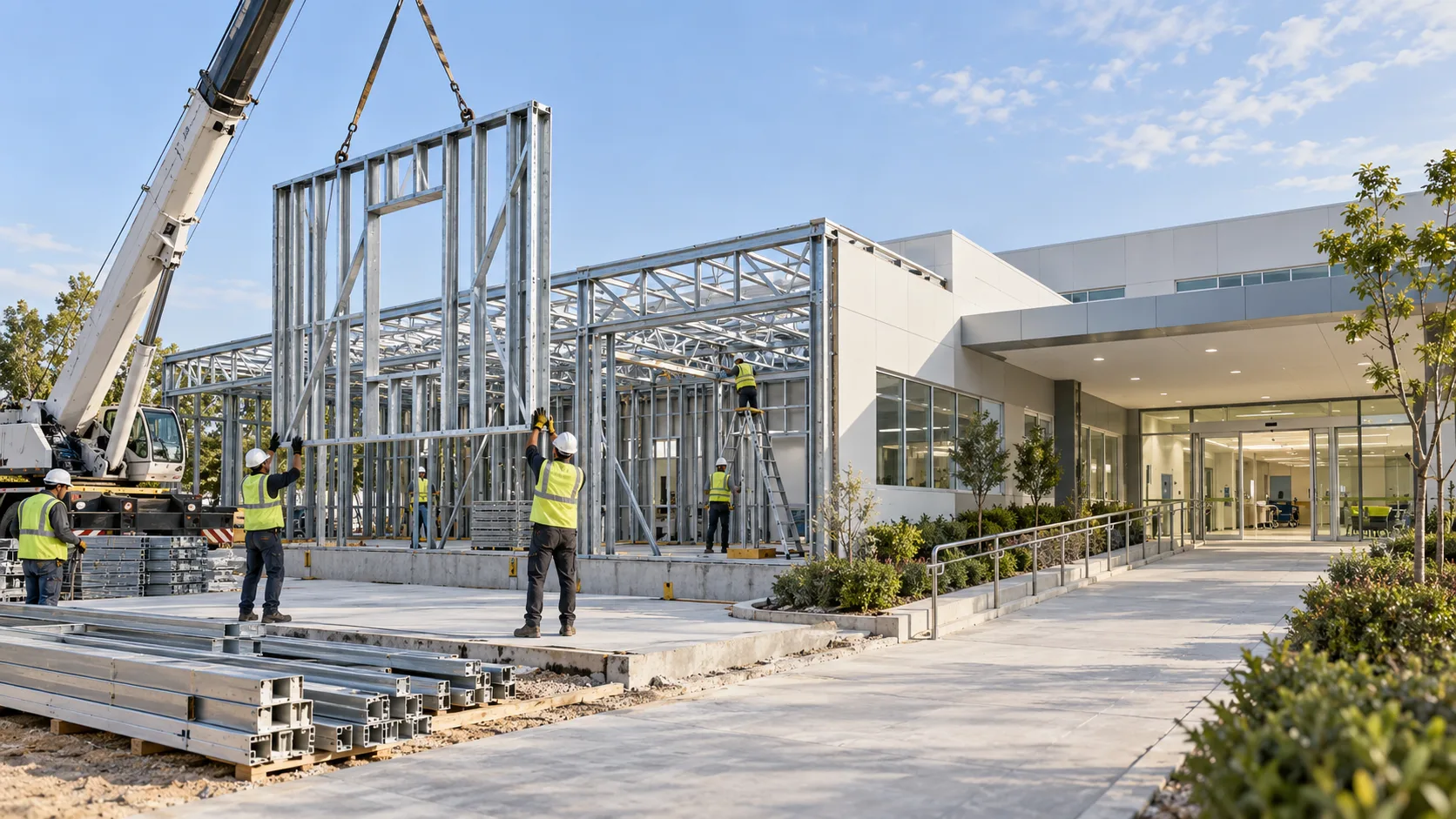

When purchasing a prefabricated building, most people focus first on price, model, square metres and delivery time. Of course, these factors are important in the decision-making process; however, simply looking at the exterior appearance or the price quote is not enough to understand the true quality of a building. The materials used to construct the prefabricated building, the design of its load-bearing system, its insulation values, roof specifications, the quality of doors and windows, and the assembly details must all be examined in writing. This is where the technical specifications come into play.
The technical specifications are one of the most important documents setting out the production and installation standards for a prefabricated structure. Whilst a simple quotation tells you ‘how much you will pay’, the technical specifications explain in detail ‘what you are buying’. Therefore, reading the technical specifications carefully before commissioning a prefabricated structure enables you to keep both quality and cost under control in the long term.
A specification is one of the key documents setting out the technical, administrative or practical details of the work to be carried out. In the case of prefabricated structures, this document serves as a guide that clarifies quality expectations between the manufacturer and the client, minimises misunderstandings and makes the delivery process more transparent.
What are Technical Specifications?
Technical specifications are a written document setting out the materials to be used in a prefabricated structure, production details, assembly methods and the scope of supply. This document may include a wide range of details, from wall panel thickness to roof cladding, and from window systems to flooring.
For example, in the case of a prefabricated house, simply stating that “insulated wall panels will be used” may not be sufficient. The thickness of the panels, their internal filling, the material of the outer surface, their thermal insulation performance and their suitability for the intended use must also be specified. This is because, even if two prefabricated structures of the same square metreage appear similar in price, their quality levels may differ if their technical specifications differ.
For this reason, the technical specifications should be regarded as a checklist for the purchaser of a prefabricated building. The clearer and more detailed the information in the document, the easier it is for the purchaser to manage the process.

Why Is the Quality of Prefabricated Buildings Hidden in the Technical Details?
Prefabricated structures are systems manufactured in a factory environment and assembled on site. This production model offers the advantages of rapid delivery and controlled quality. However, the key factor determining quality is the standard of the systems and materials used in production.
The specifications of the structural system must be carefully examined in the technical specifications. Aspects such as the building’s main framework, steel connectors, column and truss systems, and wind and load resistance have a direct impact on quality. A robust structural system contributes to the building’s safe use for many years to come.
Similarly, wall, roof and floor details are also important. To ensure that a prefabricated building can be used all year round, thermal insulation, sound insulation and moisture balance must be properly planned. Particularly in projects intended for permanent habitation, the technical specifications are one of the clearest documents setting out the building’s level of comfort.
Upon examining the prefabricated building solutions offered by Karınca Prefabrik, it becomes clear that modern and durable building alternatives stand out for various applications. In projects of this nature, the technical specifications serve as an important reference for understanding how the selected structure meets specific requirements.
How Can Material Quality Be Determined in the Specifications?
One of the first points to bear in mind in the technical specifications is information regarding materials. General statements such as ‘high-quality materials shall be used’ are not sufficient. The type, thickness, brand or technical specifications of the materials to be used should be stated as clearly as possible.
The insulation material used in wall panels, the type of roof covering, the paint system, interior doors, exterior doors, window frames, glass specifications and floor covering must be specified separately. These details determine both the comfort of use and the maintenance requirements of the building.
For example, having double-glazed windows helps to reduce heat loss. Choosing durable roofing materials improves the building’s performance against external factors such as rain, snow and wind. The quality of the external cladding, meanwhile, affects both the appearance and long-term durability of the building.
When the materials used in the technical specifications are clearly stated, the purchaser can compare quotations received from different companies more effectively. This is because, in prefabricated structures, a significant proportion of the price difference is often due to technical details.
Insulation details are among the clearest indicators of quality
One of the most important factors indicating the quality of a prefabricated building is insulation. Good insulation does not simply mean keeping the building warm in winter or cool in summer. It also reduces energy consumption, enhances indoor comfort and improves the building’s long-term usability.
In the technical specifications, wall insulation, roof insulation and floor insulation must be checked separately. The type and thickness of the insulation material used must be suitable for the climatic conditions of the region where the building is located. Whilst more robust insulation solutions may be required in cold regions, in hot regions, materials that reduce the effects of the sun may be the preferred choice.
Leaving insulation details unclear may lead to dissatisfaction after handover. For this reason, before commissioning a prefabricated building, questions such as ‘What is the wall thickness?’, ‘What material is used for roof insulation?’, and ‘Is the floor installation included in the scope?’ must be clarified.
The scope of delivery must be clearly stated in the specifications
The technical specifications are not merely a list of materials. They also clarify the scope of delivery. This document must clearly state whether the prefabricated structure is to be supplied on a turnkey basis, as a shell-and-core installation, or as a package excluding certain items.
Electrical installations, plumbing, kitchen units, bathroom fittings, interior painting, exterior cladding, floor coverings, doors, windows, roofing systems and installation services must be clearly specified in the contract and technical specifications. Otherwise, the customer may face additional costs at a later stage.
These details are particularly important for those planning to have a prefabricated house built. When evaluating different square metre and floor plan options, examining the building types via prefabricated house models makes it easier to interpret the technical specifications. This is because each model may have a different intended use, floor plan structure and technical requirements.
Technical Specifications Make Price Comparisons More Accurate
When purchasing a prefabricated building, simply comparing prices can be misleading. One company may offer a lower price but have excluded certain key items from the quote. Another company, on the other hand, may quote a higher price but offer a more comprehensive package covering materials, installation and delivery.
For this reason, when comparing prices, the technical specifications must always be examined side by side. If the wall thickness, roof system, window quality, door specifications, scope of plumbing works, whether installation is included, and warranty terms are not the same, the two quotes do not actually refer to the same thing.
A high-quality technical specification helps the buyer to choose not just the ‘cheap’ option, but the ‘right and durable’ one. As an investment in prefabricated construction is a long-term decision, the technical assessment carried out at the outset has a direct impact on maintenance and running costs in the years to come.
Warranty and after-sales support should also be specified
The scope of the warranty must also be included in the technical specifications. It must be clearly stated which materials are covered by the warranty, the warranty period, whether user errors are excluded from the scope of the warranty, and the post-delivery support process.
After-sales support for prefabricated buildings is just as important as the quality of manufacture. This is because minor adjustments, usage recommendations or maintenance requirements may arise following installation. Working with a company that is accessible and solution-oriented during this process helps to build customer confidence.
Setting out the warranty details in writing makes the process more professional for both the company and the customer. This ensures that, in the event of a potential problem, it is clear from the outset what will be covered and to what extent.
Technical Specifications Are Written Proof of Quality
The technical specifications are one of the most reliable documents for assessing the quality of a prefabricated building. Whilst the building’s external appearance may create the first impression, true quality is revealed in the technical details, such as the materials used, the load-bearing system, insulation, the assembly method and the scope of supply.
When purchasing a prefabricated building, carefully reviewing the technical specifications will not only help you stay within your budget but also ensure you select a building that meets your expectations. Clear, detailed and comprehensible technical specifications offer significant advantages in terms of reliable production, a transparent process and long-term use.
In short, the technical specifications set out not only what the prefabricated structure will look like, but also how it will be manufactured, how it will be delivered and how it will perform over many years. For this reason, before investing in a prefabricated structure, the best course of action is to read the technical specifications, ask the right questions and ensure that all the details are set out in writing.