Prefabricated structures, which are rapidly gaining popularity among modern housing solutions, are capturing the imagination of many people with their economic and aesthetic advantages. However, the most critical question that comes to mind before making this investment decision is: How long does a prefabricated home last? The durability of a structure depends on many technical parameters, ranging from the quality of the materials used to the precision of the assembly. When compared to traditional reinforced concrete structures, prefabricated homes demonstrate a durability that allows them to be used safely for generations when built with proper engineering and high-quality components. In this article, we will thoroughly examine the factors that determine the lifespan of a prefabricated home and how you can maximize this duration.
The Impact of Material Quality on Construction Time
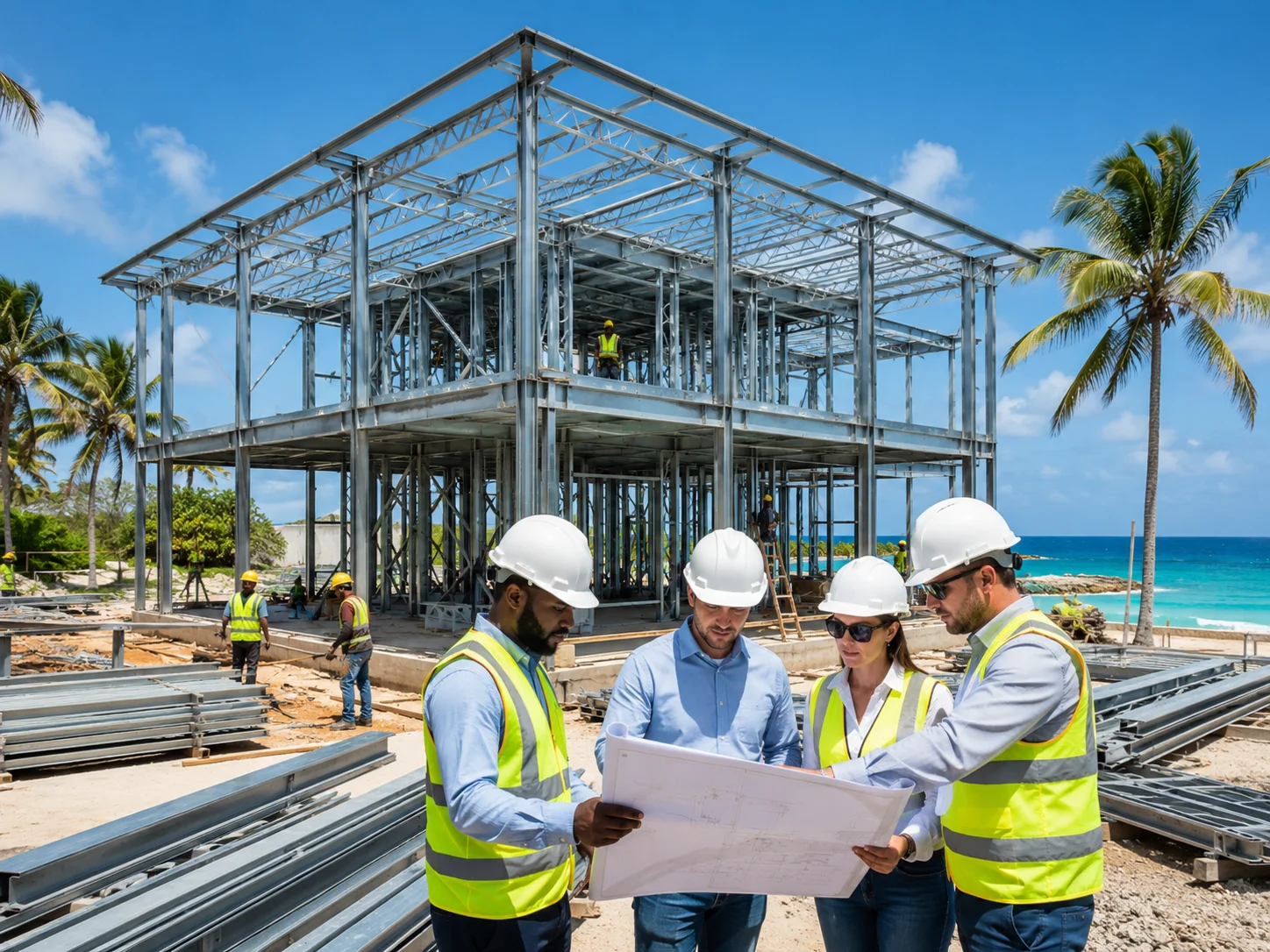
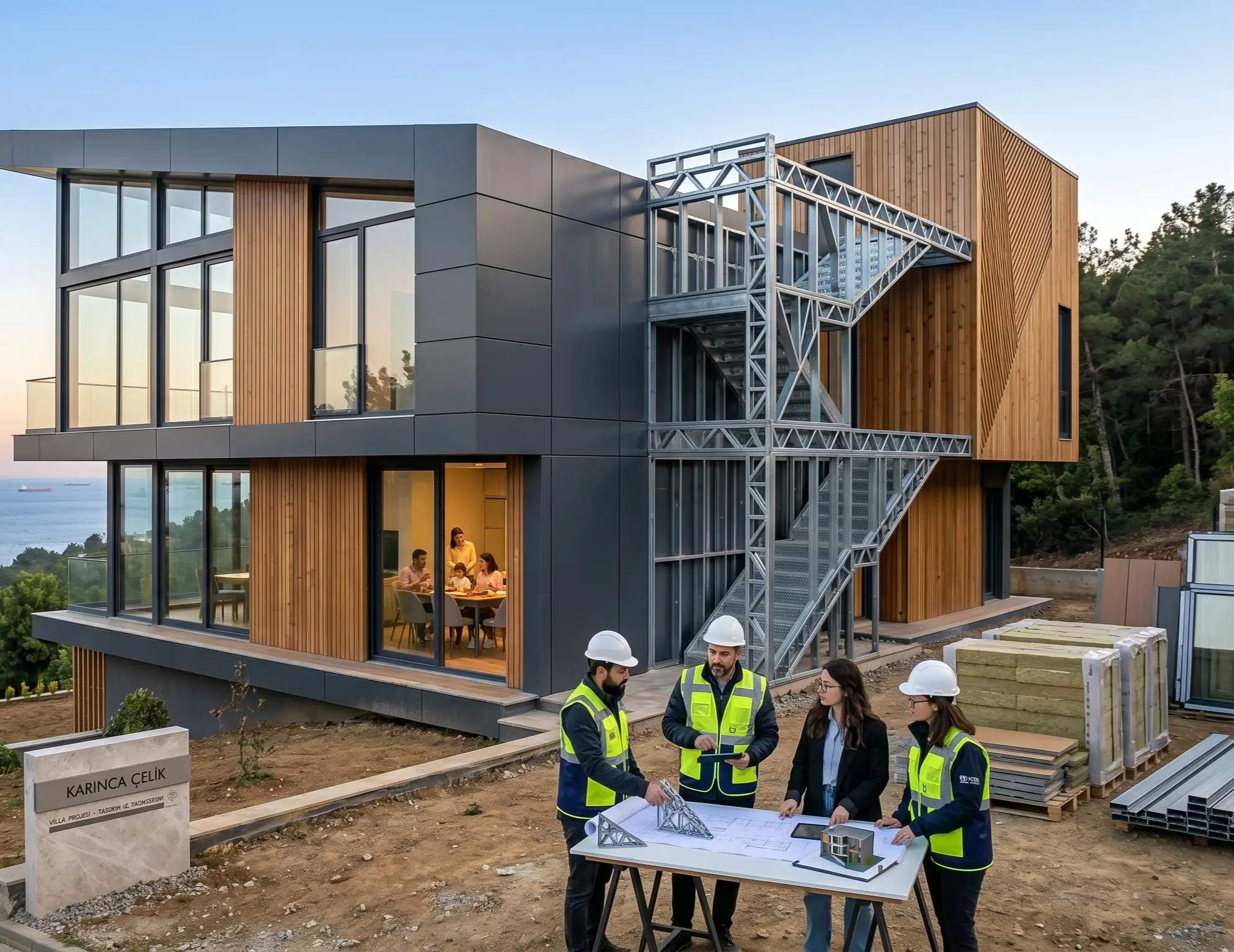
The most fundamental factor determining a structure’s lifespan is the materials that make up its framework. How long does a prefabricated house last? The answer to this question lies largely in the quality of the galvanized steel profiles used. Steel is, by nature, a flexible material with high strength. According to Wikipedia sources, light steel systems can maintain their structural integrity for many years thanks to their corrosion-resistant structures. The galvanized coating applied to prevent rust prevents corrosion by blocking the metal’s contact with moisture and oxygen. This brings the structure’s service life close to the standard lifespan of reinforced concrete buildings, and with regular maintenance, it can even exceed that duration.
Filling materials used in wall panels, such as Betopan and high-density stone wool, also reinforce the technical answer to the question how long does a prefabricated house last. These materials not only provide thermal insulation but also increase the structure’s resistance to external factors. Exterior cladding with fire-resistant and waterproof properties protects the structure from the damaging effects of seasonal cycles. While the use of low-quality materials can cause the structure to deform within 20–30 years, a home built with top-quality components offers a service life of 50 to 70 years, or even longer.
Climate Conditions and the Role of Maintenance
The climate conditions of the region where you live have a direct impact on the rate at which a structure deteriorates. Therefore, when answering the question how long does a prefabricated house last, we cannot ignore regional factors. In regions with high humidity, constant rainfall, or salty coastal air, exterior maintenance of buildings becomes even more critical. However, modern protective paints and coating technologies are designed to minimize these adverse effects. Ensuring roof waterproofing and repainting the exterior every 10–15 years helps maintain the building’s structural integrity as it was on day one.
In a home that receives regular maintenance, there is no need to worry about how long a prefabricated home lasts. Just as with reinforced concrete buildings, timely repairs of minor roof leaks or regular plumbing inspections extend the structure’s lifespan. The advantage of prefabricated structures is their modular design; that is, a worn-out panel or part can be easily replaced without damaging the entire building. This sustainability feature makes the structure’s total lifespan more manageable compared to traditional methods. The maintenance guides we offer on our Karınca website help users safely use their structures for many years.
Engineering Errors and How Long Do Prefab Homes Last?
The durability of a structure depends not only on the materials used but also on how those materials are assembled. In a project where structural calculations are incorrect or soil studies have not been taken into account, it is difficult to give a positive answer to the question, How long does a prefabricated house last?. Dynamic loads such as snow loads, wind resistance, and seismic vibrations must be calculated with millimeter precision during the design phase. A professional engineering service plans not only for the building’s present but also for its condition 50 years from now.
The quality of the connection points (bolt and nut systems) determines the building’s ability to flex. If these connections do not meet standards, the structure may shift over time, leading to insulation loss. This situation directly negatively impacts the answer to the question, “How long is the lifespan of a prefabricated house?” . A proper installation process ensures that the structure behaves like a monolithic body. Especially during an earthquake, this flexibility prevents the structure from collapsing, thereby ensuring safety while also preserving the structure’s lifespan.
The Importance of Foundation and Infrastructure Quality
Although it is often overlooked, the concrete foundation (basement) on which a prefabricated structure rests is vital to the structure’s longevity. If the foundation is not laid properly, subsidence in the ground over time will cause uneven loads to be placed on the steel frame. This is the primary factor shortening the lifespan of a prefabricated home, as addressed in the question how long does a prefabricated home last. Prefabricated structures built on a solid foundation provide years of service without compromising their structural integrity. A foundation with proper waterproofing prevents steel profiles from coming into contact with moisture, thereby eliminating the risk of corrosion.
Technological Advances and Next-Generation Prefabricated Structures
Although prefabricated structures were generally viewed as “temporary housing” in the past, modern technology has completely shattered that perception. Thanks to new-generation production techniques, the answer to the question how long does a prefabricated house last now rivals that of reinforced concrete structures. Profiles produced on CNC-controlled machines eliminate human error. This flawless production process ensures that components fit together perfectly and maximizes the structure’s structural strength.
In addition, advancements in insulation technologies prevent materials from deteriorating from the inside out by maintaining the building’s microclimate. Moisture barriers and breathable exterior cladding help maintain moisture balance within the structure. This allows residents to enjoy a comfortable lifestyle without worrying about how long a prefabricated home lasts. At Karınca, we integrate the latest technologies into our projects to build structures that last a lifetime.